Stand in the Story

RobotLAB · VR Expeditions curriculum

Stand in the story.

Immersive VR lessons that put your whole class at the real places where history and the great stories happened, with people in every scene and a teacher pointing to the clues.

Behind this text: a voyaging canoe on the open Pacific, about 1000 CE, from Greatest Civilizations. Drag to look around.

265lessons written
2,078360° scenes
4complete libraries, a fifth in progress
12libraries planned, 645 lessons

What it is

Not a video. A place you stand in.

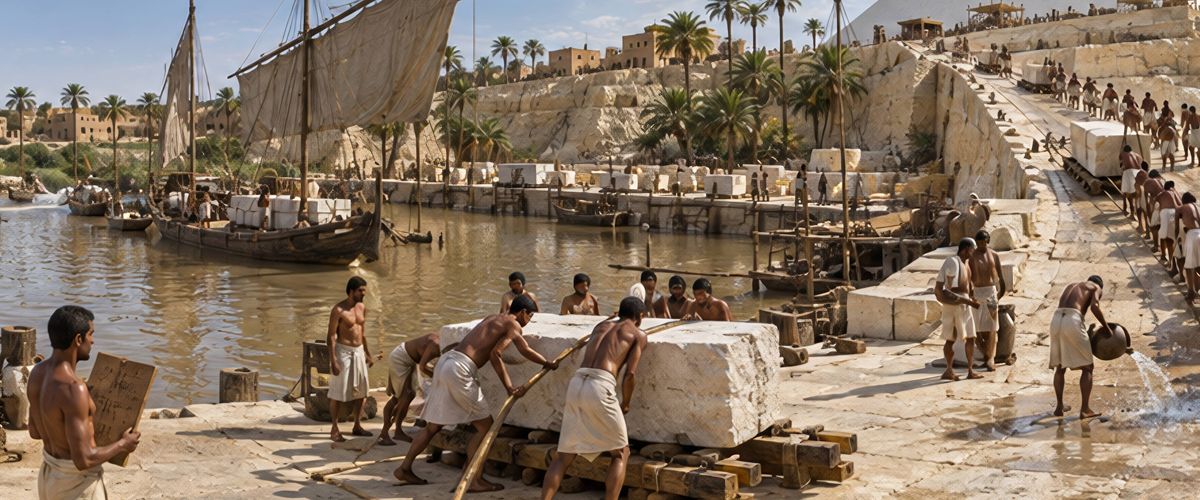
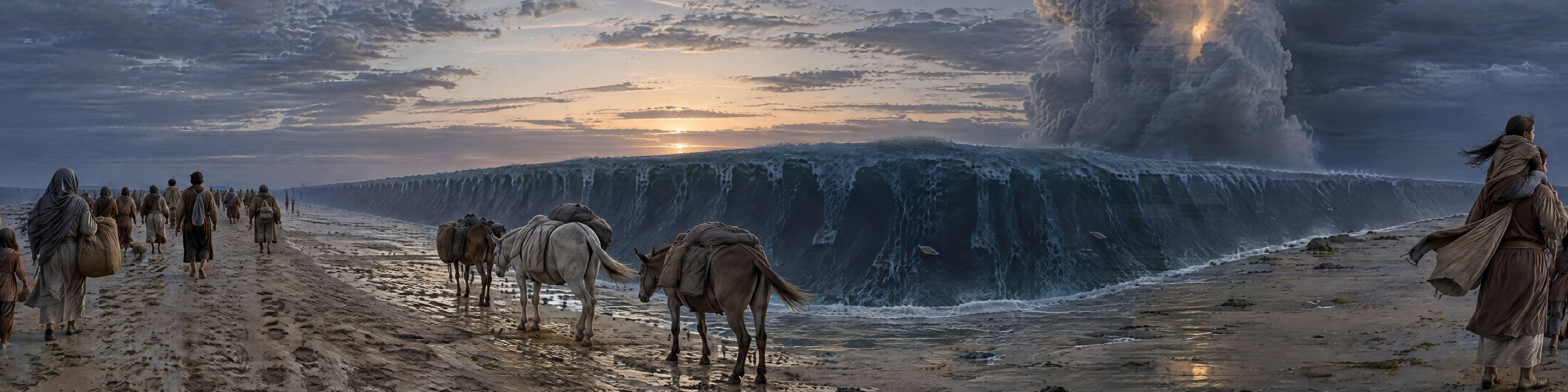
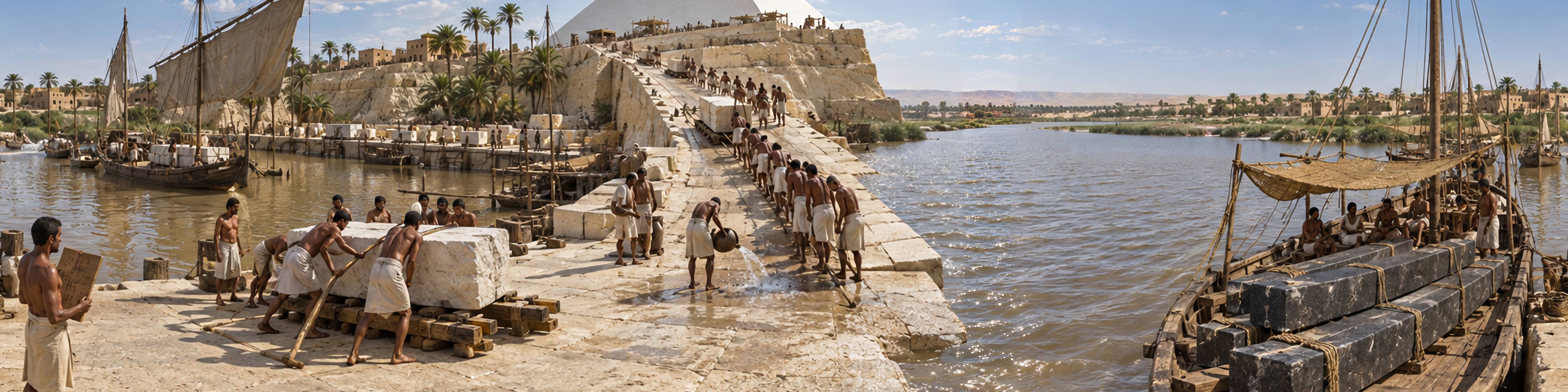
Stand in the Story is a library of teacher-led VR lessons. The class puts on headsets, and everyone is standing in the same place at the same moment: on the harbor at Giza as the stone comes in, at the edge of the sea before dawn, on the floor of the exchange when the deal is struck.

Then the teacher tells the story and says where to look. Students turn, find the clue, and the conversation starts.

  • Real placesEvery scene stands where the story or the history happened, or at a real place tied to it.
  • People in every sceneCrowds, crews, families and workers, doing what people there did.
  • Clues at a bearingThree or more clues per scene, each at its own compass bearing.
  • Questions at three levelsFrom recall to argument, with answer guidance for the teacher.

The libraries

Four complete libraries. More on the way.

Each library is a full course: topics, lessons, and eight or so scenes per lesson, written for teachers to lead.

Faith & literature · Complete

Bible Stories

Genesis to Revelation, book by book. Stand at Dothan, on the shore of the Sea of Galilee, on the wall of Jerusalem in the fifty-two days. Story-centred: communities read these texts differently, and no student is asked to believe anything.

75Lessons
532Scenes
9Topics
  • Beginnings
  • The Torah
  • Joshua to Esther
  • Wisdom & poetry
  • The prophets
  • Gospels & Acts
  • Letters & Revelation
Exodus 14: the sea's edge in the last dark before dawn
History · Complete

Greatest Civilizations

Uruk to Angkor, Timbuktu to Tenochtitlan. How societies organized cities, knowledge, water and power, and whose work kept them running.

50Lessons
427Scenes
10Topics
  • Mesopotamia
  • Egypt & the Nile
  • South Asia
  • China
  • Greece & Persia
  • Rome & Byzantium
  • Africa
  • The Americas
Khufu's harbor at Giza, boats unloading in the flood season
Science · Complete

Scale: From Neutrons to Galaxies

Change size on purpose. From the nucleus to the cell, the forest, the Moon and the cosmic web, and why forces, timescales and what we can observe change with size.

50Lessons
401Scenes
10Topics
  • Nuclei & particles
  • Atoms
  • Molecules
  • The cell
  • Earth & Moon
  • The solar system
  • Stars
  • Galaxies
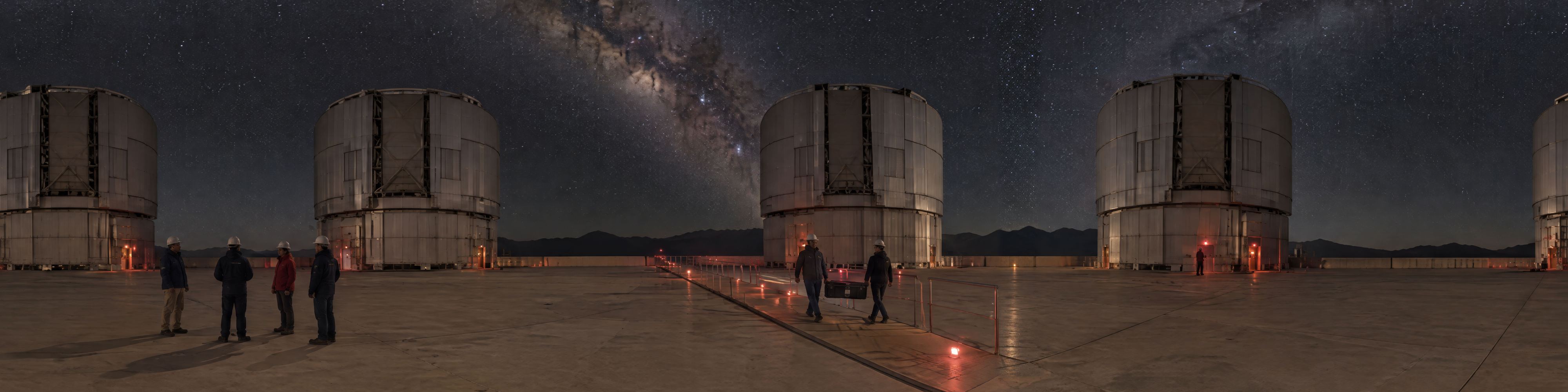
A mountaintop observatory platform under the Milky Way
Life skills · Complete

Financial Literacy

Budgets, paychecks, credit, insurance and investing in believable households and workplaces, plus where money came from: the first coins, the silver mountain, the first share, the trading floor.

70Lessons
558Scenes
14Topics
  • Earning
  • Budgeting
  • Banking
  • Credit
  • Investing
  • Insurance
  • Business
  • Digital money
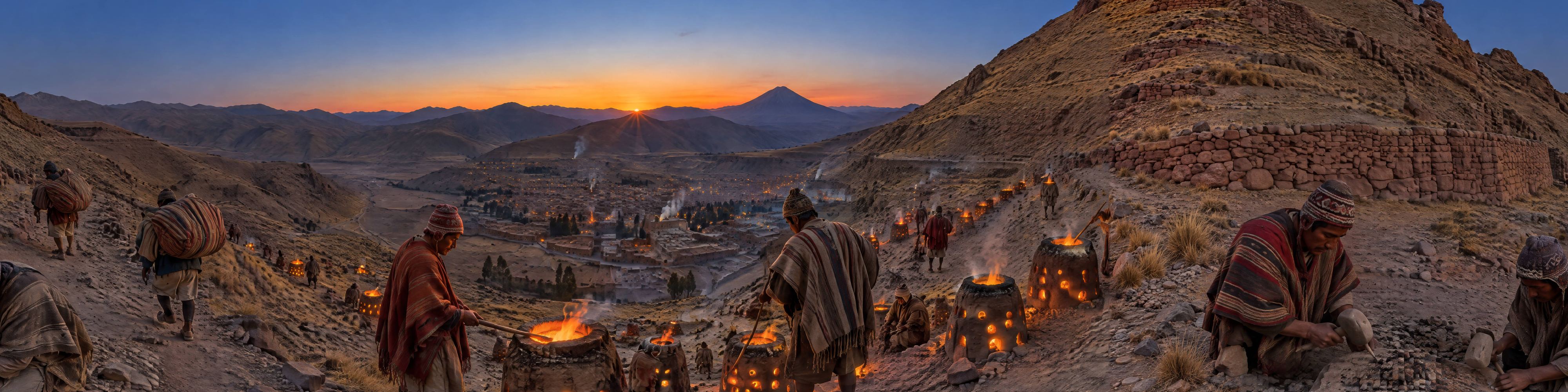
The Cerro Rico above Potosí at dusk, in the 1550s
Literature · In progress

Literature Comes Alive

Enter an author's world: Aesop and the Panchatantra, the Snow Queen, Oz, Treasure Island, Verne. Use setting, objects and competing perspectives to interpret the story.

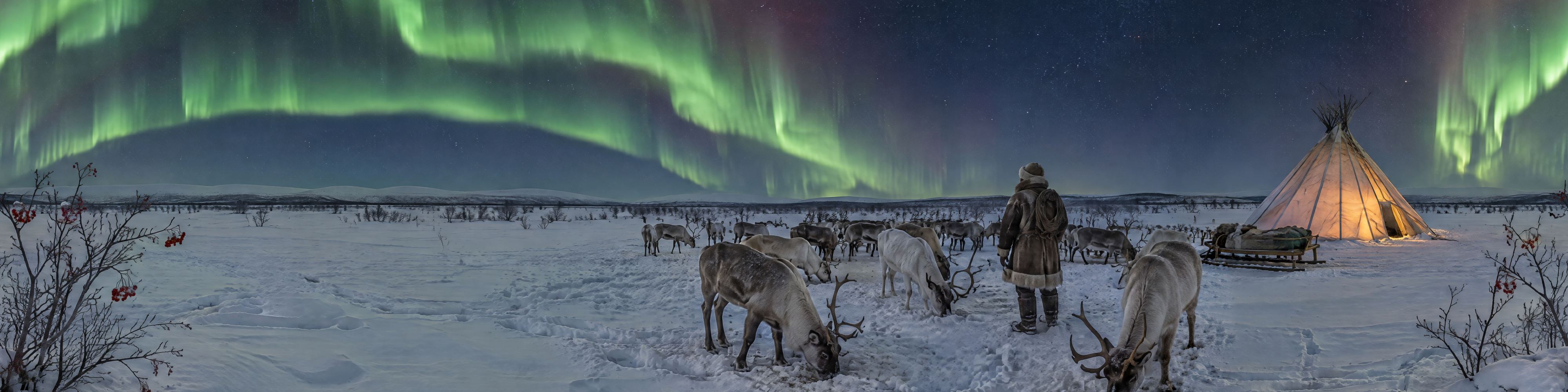
The Snow Queen: the high plateau of Finnmark under the aurora

On the roadmap

Seven more libraries planned

  • The American JourneyConsequential moments in the United States, and the people who lived them.Planned
  • Everyday Life Through HistoryOrdinary people, the same human needs, different places and eras.Planned
  • The Human BodyConnected body systems: structure, signals, energy and protection.Planned
  • Spaceship EarthEarth as a life-support system: flows, feedback and resilience.Planned
  • The Greatest Military CampaignsGeography, resources and leadership, with the civilian experience.Planned
  • Food for All LifeThe energy and nutrients that feed microbes, plants, animals and people.Planned
  • Future WorldsPlausible futures, and how design choices shape them.Planned

Who it's for

Built for the room you teach in.

K–12 schools

Every grade, one lesson

Each lesson carries four age pathways, so the same scenes work from kindergarten to senior year.

  • History, science, literature and financial literacy
  • A one-line version of every scene for K–2
  • Teacher-led: no student goes anywhere alone
Churches & ministries

Stand where it happened

Seventy-five Bible lessons for Sunday school, youth groups and adult classes, from Genesis to Revelation.

  • Every book has its own lesson
  • Story-centred, with text and tradition kept apart
  • No scene depicts God
Colleges & universities

Evidence, not spectacle

The top pathway is source evaluation and argument, a starting point for introductory courses and teacher education.

  • A real-or-staged note on every scene
  • Sources listed for every lesson
  • Ready-made scenes for future teachers to practise leading

How it works in class

The teacher leads. The class looks.

The teacher's app guides everyone through the lesson, one scene at a time. Everyone arrives together.

  1. Scene 3 of 8

    Everyone arrives

    The whole class is standing in the place. Students can turn in every direction, and look up and down.

  2. "Here is what happened here…"

    The teacher tells the story

    Every scene comes with a short story script, written to be read aloud.

  3. "Look toward 120°."

    Students find the clues

    The teacher points the class to a bearing. Students find what is there, then the teacher reveals why it matters.

  4. "So why would they…?"

    The class talks it through

    An easter-egg conversation, then questions at three levels, from recall to argument.

K–2
Teacher-led, with the one-line version of each scene and one spoken question.
Grades 3–5
The full scene sequence: story, clue hunt, conversation, Level 1 questions.
Grades 6–8
Level 2 questions and the real-versus-staged discussion.
Grades 9–12
Level 3 questions with source evaluation, and a capstone task.

Try it

Look around. Find the clues.

One scene from each library, with its clues. Drag to look around, or choose a clue and the view turns to it.

In the headset the scene wraps all the way around you. These are web-sized copies of the scenes, shown in your browser.

Illustration, not a screenshot

The platform

Runs on VR Expeditions.

RobotLAB's classroom VR platform: one teacher app, a headset or phone for each student.

  • The teacher appOn an Android tablet. Moves the whole class from scene to scene, and holds the story script, the clues, the easter egg and the questions with answer guidance.
  • Headsets or phonesStudents see the scenes on Pico VR headsets, or on phones in a simple viewer.
  • On the classroom networkThe teacher's tablet and the students' devices connect over the school's local network.

[Placeholder: hardware packages, supported headset models and pricing, to be confirmed by RobotLAB]

Request a demo

See it in your room.

Tell us about your school, church or college. Whether you already have headsets or are starting from nothing, the RobotLAB team will reply.

[Testimonial from a pilot school]

[Name, role, school]
Libraries of interest (optional)
We use these details only to reply to you about Stand in the Story.